Technology is changing faster than ever before. From artificial intelligence and smart devices to cloud computing and cybersecurity, new innovations are influencing the way people work, communicate, shop, learn, and live. What seemed impossible a few years ago is becoming part of everyday life.
Understanding the latest tech trends is no longer important only for technology professionals. Businesses, students, entrepreneurs, and everyday consumers can all benefit from knowing where technology is heading. These trends can create new opportunities, improve productivity, and change the way industries operate.
In this article, we will explore some of the most important technology developments shaping the modern world and look at what they could mean for the future.
1. Artificial Intelligence Is Becoming Part of Everyday Life
Artificial intelligence, commonly known as AI, is one of the biggest tech trends today. Although AI has existed for decades, recent advances have made it much more powerful and accessible.
AI tools can now write content, analyze information, generate images, translate languages, answer questions, assist programmers, and support businesses with customer service. Generative AI has particularly attracted attention because it allows users to create new content from simple instructions.
Businesses are using AI to automate repetitive tasks and make faster decisions. At the same time, individuals are using AI assistants for research, education, writing, planning, and creativity.
The next stage of AI will likely focus on making these systems more useful, reliable, and integrated into everyday software. Instead of using AI as a separate tool, people may increasingly interact with AI features inside applications they already use.
2. The Growth of Smart and Connected Devices
Another major technology trend is the continued growth of connected devices. Smart watches, fitness trackers, smart home systems, connected cars, security cameras, and other Internet of Things devices are becoming increasingly common.
These devices collect and exchange data, allowing users to control different aspects of their environment. For example, a smart thermostat can adjust temperature automatically, while a smartwatch can monitor activity and provide notifications.
Businesses are also benefiting from connected technology. Factories can use sensors to monitor machines, while logistics companies can track shipments in real time.
As connectivity improves, the number of devices communicating with each other will continue to increase. This could make homes, workplaces, transportation systems, and cities more efficient.
3. Cloud Computing Continues to Transform Businesses
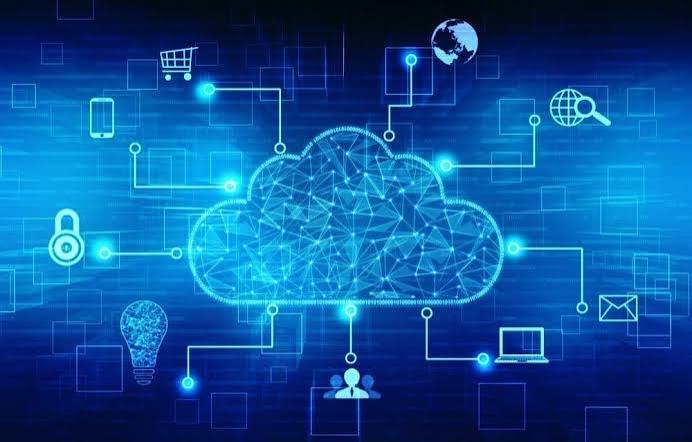
Cloud computing has already changed the technology industry, but it remains one of the most important tech trends.
Instead of storing everything on a local computer or company-owned server, organizations can access computing power, software, and storage through the internet. This allows businesses to scale their operations more easily without making large investments in physical infrastructure.
Cloud technology also supports remote work. Employees can access files, applications, and business systems from different locations, making collaboration easier.
Small businesses can particularly benefit from cloud services because they can access powerful technology without maintaining expensive hardware. As companies continue adopting digital systems, cloud computing is expected to remain an important part of modern business infrastructure.
4. Cybersecurity Is Becoming More Important
As technology becomes more deeply connected to everyday life, cybersecurity is becoming a major concern. Cyberattacks, data breaches, phishing scams, and identity theft can affect individuals as well as large organizations.
The growing use of cloud services, connected devices, and AI creates new opportunities but also introduces new security challenges. Companies therefore need to take cybersecurity seriously and continuously improve their defenses.
Modern cybersecurity is moving beyond traditional passwords and basic antivirus software. Businesses are increasingly using multi-factor authentication, encryption, automated monitoring, and advanced threat detection.
For individuals, simple habits can also make a significant difference. Using strong and unique passwords, enabling multi-factor authentication, keeping software updated, and being cautious with suspicious messages can help reduce common security risks.
5. The Rise of Automation and Robotics
Automation is another technology trend that is changing workplaces around the world. Companies are using software automation and physical robots to perform repetitive, time-consuming, or highly precise tasks.
In manufacturing, robots can assemble products and handle materials. In warehouses, automated systems can sort packages and move inventory. In offices, software can handle repetitive administrative processes.
Automation does not necessarily mean that humans will disappear from the workplace. Instead, many jobs are likely to change. Workers may spend less time on repetitive tasks and more time on problem-solving, creativity, communication, and decision-making.
The ability to work alongside technology may become one of the most valuable skills in the modern workplace.
6. Technology Is Changing the Future of Healthcare
Healthcare is another field experiencing rapid technological development. Digital health tools, wearable devices, AI-assisted analysis, telemedicine, and electronic health records are changing how medical services are delivered.
Wearable devices can help people track activity, sleep, heart rate, and other measurements. Telemedicine allows patients to communicate with healthcare professionals remotely, which can be especially useful for people who have difficulty traveling.
AI is also being explored for medical research and data analysis. It can help researchers process large amounts of information and identify patterns that might otherwise take considerable time to discover.
However, healthcare technology must be developed responsibly. Privacy, accuracy, safety, and human oversight remain essential when technology is used in sensitive medical environments.
7. Green Technology and Sustainable Innovation
Environmental concerns are influencing another important group of tech trends: green technology.
Companies and governments are investing in renewable energy, electric transportation, energy-efficient devices, smart grids, and improved battery technology. These developments aim to reduce emissions and make better use of natural resources.
Electric vehicles are a clear example. Improvements in battery technology are helping manufacturers develop vehicles with better range and performance. At the same time, renewable energy systems are becoming increasingly important for reducing dependence on traditional fossil fuels.
Technology alone cannot solve every environmental problem, but innovation can play an important role in creating more efficient and sustainable systems.
8. The Evolution of Digital Experiences
The way people interact with technology is also changing. Traditional keyboards and screens are increasingly being complemented by voice assistants, touch interfaces, augmented reality, and other immersive technologies.
Augmented reality can place digital information over the physical world, while virtual reality can create completely digital environments. These technologies have applications in gaming, education, training, design, retail, and entertainment.
As hardware improves, digital experiences may become more natural and interactive. The boundary between the physical and digital worlds could become less noticeable over time.
What Do These Tech Trends Mean for the Future?
The most important lesson from current technology trends is that change is continuous. Technology is not developing in isolated areas. AI, cloud computing, cybersecurity, robotics, connected devices, and other innovations are increasingly working together.
For example, an intelligent factory may combine AI, cloud computing, robotics, sensors, and cybersecurity systems. A modern vehicle may use connected technology, advanced software, AI-powered features, and sophisticated sensors.
This combination of technologies is likely to create new industries and transform existing ones.
For individuals, staying informed can be more valuable than trying to become an expert in every new technology. Learning basic digital skills, understanding AI, protecting personal information, and remaining open to new tools can help people adapt.
For businesses, keeping up with technology can improve efficiency and competitiveness. However, companies should avoid adopting new technology simply because it is popular. The best approach is to understand a real problem first and then determine whether technology can provide a useful solution.
Frequently Asked Questions About Tech Trends
1. What are tech trends?
Tech trends are new or developing technologies, ideas, and innovations that are gaining importance and influencing how people and businesses use technology. Examples include artificial intelligence, cloud computing, robotics, cybersecurity, and connected devices.
2. Why are tech trends important?
Tech trends are important because they can change how businesses operate and how people perform everyday tasks. Understanding major trends can help individuals prepare for changes and help businesses identify new opportunities.
3. What is the biggest technology trend today?
Artificial intelligence is one of the most influential technology trends today. AI is being incorporated into software, business operations, education, healthcare, customer service, and many other areas.
4. How does AI affect businesses?
AI can help businesses automate repetitive work, analyze information, improve customer service, generate content, and support decision-making. Its usefulness depends on how responsibly and effectively a company implements it.
5. Will automation replace human workers?
Automation may replace some repetitive tasks, but it can also create new types of work. In many cases, employees will need to develop new skills and learn how to work effectively with automated systems and AI tools.
6. Why is cybersecurity one of the important tech trends?
As more personal and business information moves online, the risks associated with cyberattacks and data theft increase. Strong cybersecurity helps protect sensitive information, systems, and digital identities.
7. How can people keep up with technology trends?
People can stay informed by following reliable technology publications, learning new digital skills, experimenting with useful tools, and paying attention to developments that affect their work or personal lives.
Conclusion
The world of technology is moving quickly, and the latest tech trends are already affecting everyday life. Artificial intelligence, connected devices, cloud computing, cybersecurity, automation, healthcare technology, green innovation, and immersive digital experiences are all contributing to a rapidly changing digital landscape.
Some technologies will become essential parts of daily life, while others may evolve in unexpected directions. What remains certain is that technology will continue to influence how people work, communicate, learn, travel, and solve problems.
The key is not simply to follow every new trend. Instead, individuals and businesses should understand how emerging technologies work, consider their benefits and risks, and learn how to use them responsibly.
By staying curious and adaptable, people can make better use of the opportunities created by the next generation of technology.