In today’s digital world, personal information has become one of the most valuable things people have. Your name, phone number, email address, passwords, bank details, Social Security number, and even your online activity can reveal a lot about you. Unfortunately, cybercriminals are constantly looking for ways to steal and misuse this information. This is why identity protection has become an important part of everyday online safety.
Identity theft can happen to almost anyone. You may receive a fake email, click on a suspicious link, use an unsecured Wi-Fi network, or unknowingly share personal information with the wrong person. Sometimes, criminals can obtain information from a data breach without you doing anything wrong at all.
The good news is that there are several practical steps you can take to protect your identity. You do not need to be a technology expert. By developing a few smart online habits and paying attention to your accounts, you can significantly reduce your risk.
What Is Identity Protection?
Identity protection refers to the steps, tools, and habits used to keep your personal and financial information safe from unauthorized access or misuse. The goal is to prevent criminals from pretending to be you, opening accounts in your name, accessing your money, or using your personal information for illegal activities.
Identity protection can include using strong passwords, enabling two-factor authentication, monitoring financial accounts, protecting important documents, and being careful about what you share online.
It is important to understand that identity protection is not a one-time task. Your personal information can be exposed at any point, so protecting it should become an ongoing habit.
Why Is Identity Protection Important?
People often think identity theft only involves someone stealing money from a bank account. In reality, the consequences can be much broader.
A criminal who obtains your personal information may use it to create fraudulent accounts, make unauthorized purchases, apply for credit, gain access to online accounts, or attempt scams against your friends and family.
Identity theft can also take time to discover. A person may not realize that their information has been misused until they notice an unfamiliar transaction, receive an unexpected bill, or find an account they never opened.
Strong identity protection can help you detect suspicious activity earlier and reduce the potential damage.
Common Ways Personal Information Gets Stolen
There are many ways criminals attempt to collect personal information. One of the most common methods is phishing. A phishing message may appear to come from a bank, delivery company, employer, social media platform, or another trusted organization. It usually tries to convince you to click a link or provide sensitive information.
Another common threat is the use of weak or reused passwords. If you use the same password for several accounts and one website experiences a data breach, attackers may try that password on your other accounts.
Public Wi-Fi can also create security concerns, particularly when you use it to access sensitive accounts without proper protection. In addition, criminals may use fake websites, malicious software, social engineering, or stolen devices to obtain personal information.
Even social media can become a source of information. Sharing your birthday, location, workplace, family details, or other personal information publicly may give scammers clues that can be used in targeted attacks.
Use Strong and Unique Passwords
One of the simplest ways to improve your identity protection is to create strong, unique passwords for your important accounts.
A good password should be difficult to guess and should not contain obvious information such as your name, birthday, or phone number. More importantly, avoid using the same password across multiple accounts.
A password manager can make this easier by securely storing unique passwords for different websites and services. Instead of remembering dozens of passwords, you only need to remember one strong master password.
For particularly important accounts, such as email, banking, and cloud storage, using unique passwords is especially important because these accounts may provide access to other parts of your digital life.
Turn On Two-Factor Authentication
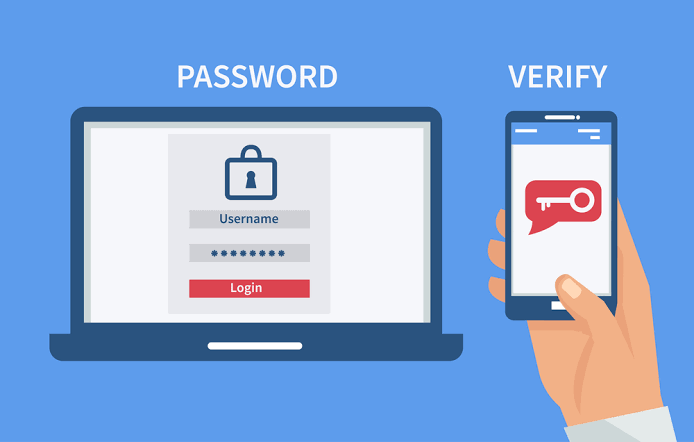
Two-factor authentication, often called 2FA, adds another layer of security to your accounts.
Normally, logging in requires a password. With two-factor authentication, you also need another form of verification, such as a code from an authentication app, a security key, or another approved method.
This means that even if someone manages to obtain your password, they may still be unable to access your account.
Whenever an important service offers two-factor authentication, consider enabling it. It is one of the most useful security measures available to everyday users.
Be Careful With Emails and Messages
Not every message that looks legitimate can be trusted. Scammers are becoming increasingly convincing, and some fraudulent messages can look almost identical to real communications from companies.
Before clicking a link, check the sender and consider whether the message makes sense. Be particularly cautious when a message creates a sense of urgency, such as claiming that your account will be closed unless you act immediately.
Never provide passwords, banking information, or other sensitive details simply because a message asks for them.
If you are unsure, contact the organization directly using a phone number or website you already know is legitimate instead of using the contact information provided in the suspicious message.
Protect Your Financial Information
Financial accounts deserve special attention because unauthorized access can result in significant losses.
Regularly review your bank and credit card statements for unfamiliar transactions. If you notice something suspicious, report it to your financial institution as soon as possible.
You should also be cautious about where you enter payment information online. Before making a purchase, make sure you are using the legitimate website and that the connection is secure.
Avoid storing payment details on websites you do not trust, and never send sensitive financial information through ordinary messages or email unless you have a secure method specifically designed for that purpose.
Limit the Personal Information You Share Online
You do not have to share every detail about yourself online.
Review your social media privacy settings and think carefully before posting information that could help someone guess your passwords or security questions. Details such as your full date of birth, home address, phone number, travel plans, or information about family members can sometimes be useful to scammers.
This does not mean you need to stop using social media. Instead, be intentional about what you make publicly available.
The less unnecessary personal information you expose, the fewer details criminals have to work with.
Monitor Your Accounts and Credit Reports
Regular monitoring can help you notice signs of identity theft before a problem becomes more serious.
Check your bank and credit card accounts regularly. Look for unfamiliar purchases, withdrawals, account changes, or notifications.
It is also wise to review your credit reports periodically for accounts or applications you do not recognize. If you discover something suspicious, investigate it promptly and contact the appropriate financial institution or credit reporting organization.
Early detection can make it easier to respond to identity theft and limit its impact.
Keep Your Devices Updated
Software updates are not only about adding new features. They often include security fixes that address known vulnerabilities.
Keep your operating system, web browser, mobile apps, and security software updated whenever possible. Automatic updates can make this process easier.
You should also protect your devices with a screen lock or password. If your phone or laptop is lost or stolen, these basic protections can make it more difficult for another person to access your information.
What to Do If You Suspect Identity Theft
If you believe someone has stolen or misused your identity, do not ignore the warning signs.
Start by securing the affected accounts. Change compromised passwords and enable two-factor authentication if it is available. Contact your bank or financial institution if unauthorized transactions are involved.
Keep records of suspicious activity, including dates, messages, transactions, and communications with companies. Depending on where you live and the type of identity theft involved, you may also need to report the incident to the relevant authorities or credit reporting agencies.
Acting quickly is important. The sooner you identify the problem, the sooner you can begin protecting your accounts and personal information.
Identity Protection Should Be an Everyday Habit
Protecting your identity does not require complicated technology or advanced computer skills. Most effective security practices are simple habits that become easier with time.
Use unique passwords, enable two-factor authentication, be skeptical of unexpected messages, monitor your accounts, update your devices, and think carefully before sharing personal information.
It is impossible to eliminate every online risk, but you can make it much harder for criminals to misuse your information. The most effective approach to identity protection is to stay informed, remain cautious, and take action whenever something looks unusual.
Your personal information is valuable. Taking a few minutes today to improve your digital security can save you significant time, money, and stress in the future.
Frequently Asked Questions About Identity Protection
1. What is identity protection?
Identity protection is the process of keeping personal, financial, and online information safe from unauthorized access, theft, or misuse. It includes security practices such as strong passwords, two-factor authentication, account monitoring, and careful handling of personal information.
2. Why is identity protection important?
Identity protection is important because stolen personal information can be used for fraud, unauthorized purchases, account takeovers, and other forms of identity theft. Good security practices can reduce your risk and help you detect suspicious activity earlier.
3. What is the best way to protect my identity online?
There is no single solution that provides complete protection. A combination of strong unique passwords, two-factor authentication, updated devices, careful browsing habits, account monitoring, and limited sharing of personal information provides a stronger overall defense.
4. Can social media affect identity security?
Yes. Publicly sharing personal details on social media can give scammers information they may use for targeted attacks or social engineering. Review your privacy settings and avoid sharing unnecessary sensitive information publicly.
5. Should I use different passwords for every account?
Yes. Using a unique password for each important account can limit the damage if one password is exposed. A password manager can help you create and store strong, unique passwords without requiring you to memorize all of them.
6. Does two-factor authentication prevent identity theft?
Two-factor authentication can significantly improve account security, but it does not guarantee complete protection against identity theft. It adds an additional barrier that can make unauthorized access more difficult, especially when a password has been compromised.
7. How can I tell if my identity has been stolen?
Warning signs can include unfamiliar transactions, unexpected bills, unknown accounts on your credit report, password-change notifications you did not request, or messages about financial activity you do not recognize. Any unexplained activity should be investigated promptly.
8. What should I do if someone steals my identity?
If you suspect identity theft, secure your affected accounts immediately, change compromised passwords, contact your bank or other relevant companies, document suspicious activity, and report the incident to the appropriate authorities or organizations in your country. Acting quickly can help reduce further damage.
Conclusion
Identity protection is no longer something only businesses or cybersecurity experts need to worry about. With so much of our personal and financial information stored online, protecting your identity should be part of your everyday digital habits. Simple steps such as using strong and unique passwords, enabling two-factor authentication, monitoring your accounts, avoiding suspicious messages, and limiting the personal information you share can make a significant difference.
While no method can completely eliminate the risk of identity theft, staying alert and taking preventive action can greatly reduce your chances of becoming a victim. Make identity protection a regular part of your online routine, and you will be better prepared to keep your personal information, finances, and digital accounts secure.