Technology has become a major part of everyday life, and smart devices are one of the clearest examples of how quickly things are changing. From smartphones and smartwatches to smart TVs, speakers, cameras, and home appliances, these devices are designed to make daily activities easier, faster, and more convenient.
Unlike traditional electronic products, smart devices can often connect to the internet, communicate with other devices, collect information, and respond to user commands. Some can even learn from the way people use them and automatically adjust their settings.
The popularity of smart devices continues to grow because people want technology that does more than simply perform one task. Modern users are looking for products that save time, improve comfort, provide useful information, and fit naturally into their daily routines.
What Are Smart Devices?
Smart devices are electronic products that use advanced technology to perform tasks with less manual effort. Most smart devices have internet connectivity, wireless communication, sensors, software, or artificial intelligence features.
A smartphone is a simple example. It can make calls, send messages, take photos, access websites, provide navigation, and run thousands of applications. A smart speaker can answer questions, play music, control compatible appliances, and set reminders using voice commands.
Other examples include smart thermostats, smart doorbells, fitness trackers, smart refrigerators, robotic vacuum cleaners, and smart lighting systems.
The main idea behind these products is simple: they combine hardware and software to provide a more connected and convenient experience.
Why Are Smart Devices Becoming So Popular?
One of the biggest reasons for the growing popularity of smart devices is convenience. People have busy lifestyles, so anything that can save time or reduce unnecessary work can be valuable.
For example, a smart vacuum cleaner can clean certain areas of a home automatically. Smart lights can be controlled through a phone or voice command, while a smart thermostat can adjust the temperature according to a user’s preferences.
Connectivity is another important factor. Many smart devices can communicate with each other through a home network or a dedicated application. This allows users to create a connected environment where several products work together.
Cost is also becoming less of a barrier. As technology develops, more affordable smart devices are entering the market. Consumers no longer need to spend a huge amount of money to experience connected technology.
Common Types of Smart Devices
There are many categories of smart devices available today, and each serves a different purpose.
Smart Smartphones
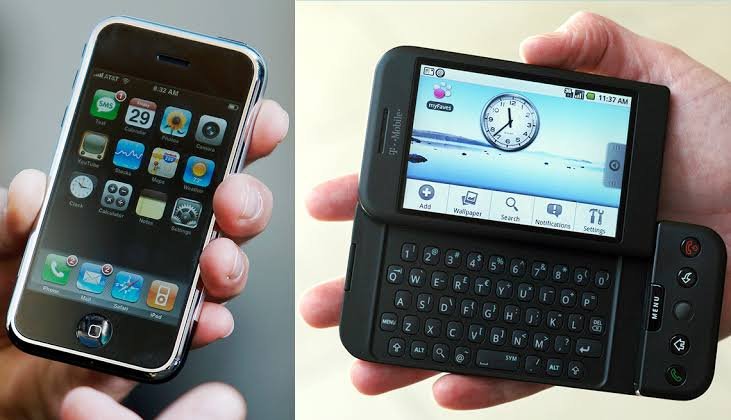
Smartphones are perhaps the most widely used smart devices. Modern phones combine communication, entertainment, photography, navigation, banking, shopping, and productivity tools in a single device.
Many smartphones also include advanced cameras, biometric security, artificial intelligence features, and powerful processors. They have become essential tools for both personal and professional activities.
Smartwatches and Fitness Trackers
Smartwatches have become increasingly popular among people who want to monitor their health, exercise, and daily activity.
Depending on the model, a smartwatch may track steps, heart rate, workouts, sleep patterns, and other fitness information. It can also display notifications, answer calls, control music, and provide navigation.
Fitness trackers generally focus more on health and activity monitoring, making them useful for people who want to maintain an active lifestyle.
Smart Home Devices
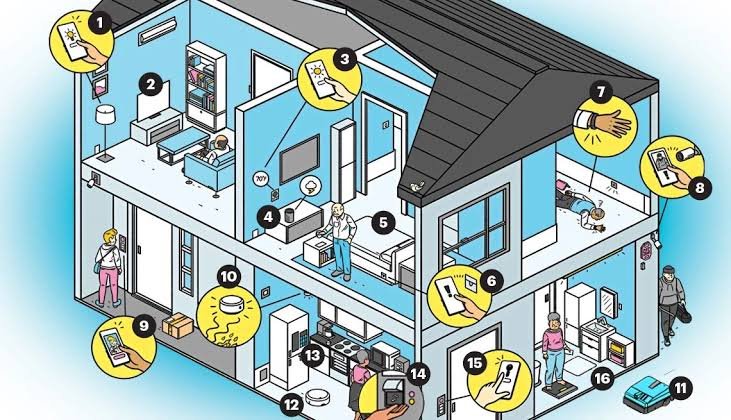
Smart home technology is changing the way people interact with their homes. Smart bulbs, plugs, thermostats, security cameras, doorbells, locks, and speakers can all provide additional control and convenience.
For example, homeowners can turn lights on or off remotely, check a security camera while away from home, or unlock a compatible door using a smartphone.
Some systems can also create automated routines. A person might set the lights to turn on automatically in the evening or configure the thermostat to adjust the temperature at a particular time.
Smart TVs
Smart TVs have transformed the traditional television experience. Instead of relying only on cable or broadcast channels, users can access streaming services, online videos, music platforms, and applications directly from the television.
Many smart TVs also support voice controls and can connect with smartphones and other devices.
Smart Appliances
Smart appliances are another growing category. Refrigerators, washing machines, ovens, coffee makers, and robotic vacuum cleaners can now include connected features.
Some appliances can send notifications to a smartphone, provide maintenance alerts, or allow users to control certain functions remotely.
Benefits of Smart Devices
Smart devices can provide several advantages when they are selected and used properly.
Greater Convenience
Convenience is probably the biggest benefit. Users can control compatible devices without physically interacting with them. A phone or voice assistant can often handle tasks that would otherwise require several steps.
Better Time Management
Automation can help people save time. Smart devices can perform repetitive tasks automatically, allowing users to focus on work, family, hobbies, or relaxation.
Improved Connectivity
Smart devices make it easier for people and products to stay connected. Notifications, remote controls, synchronization, and cloud-based services allow information to move quickly between devices.
Personalization
Many smart products can be customized according to individual preferences. A smartwatch can display selected notifications, while smart lighting can be configured to create different settings for different situations.
Energy Management
Some smart home products can help users monitor and manage energy consumption. Smart thermostats, plugs, and lighting systems may help reduce unnecessary energy use when configured correctly.
Are Smart Devices Always a Good Choice?
Although smart devices offer many advantages, they also have some disadvantages. One major concern is privacy.
Connected devices can collect different types of information depending on their features. Cameras, microphones, location services, and activity trackers can potentially handle sensitive data. Users should therefore understand what information a device collects and how that information is stored or shared.
Security is another concern. Any device connected to the internet can potentially become a target for cyberattacks if it is poorly secured.
There is also the issue of dependence on technology. When several everyday tasks rely on connected devices, a network problem, software issue, or battery failure can sometimes cause inconvenience.
For these reasons, buyers should not choose a product simply because it has the word “smart” in its name. The device should provide genuine value and have reliable security and support.
How to Choose the Right Smart Device
Choosing the right smart device depends on personal needs rather than simply selecting the newest model.
First, consider the main problem you want the device to solve. If you want better fitness tracking, a smartwatch or fitness tracker may be useful. If your goal is home automation, smart lights, plugs, cameras, or thermostats may be more appropriate.
Compatibility is also important. Before buying a product, check whether it works with the smartphone, operating system, smart home platform, or other devices you already use.
Security features should also be considered. Look for products from reputable manufacturers that provide regular software updates and clear privacy information.
Finally, consider the long-term cost. A low-priced device may seem attractive initially, but subscription fees, accessories, replacement parts, or limited software support can make it more expensive over time.
The Future of Smart Devices
The future of smart devices is likely to focus heavily on artificial intelligence, automation, and improved communication between products.
As AI becomes more advanced, devices may become better at understanding individual preferences and predicting what users need. Instead of simply responding to commands, future systems may be able to provide more proactive assistance.
Smart homes may also become more integrated. Instead of controlling each product separately, users could manage lighting, security, temperature, entertainment, and appliances through a unified system.
At the same time, privacy and security will become increasingly important. As more personal information is processed by connected technology, manufacturers will need to provide stronger protections and clearer controls.
The goal should not simply be to have more technology in our homes and lives. The real goal is to have technology that is useful, reliable, secure, and easy to understand.
Frequently Asked Questions
1. What are smart devices?
Smart devices are electronic products that use software, sensors, internet connectivity, or wireless communication to perform tasks in a more automated and connected way. Examples include smartphones, smartwatches, smart TVs, smart speakers, and smart home appliances.
2. What is the most common smart device?
The smartphone is one of the most common smart devices. It combines communication, internet access, photography, entertainment, navigation, productivity tools, and many other functions in one portable device.
3. Are smart devices safe to use?
Smart devices can be safe when they are properly configured and regularly updated. Users should create strong passwords, enable available security features, install software updates, and review privacy settings to reduce potential security risks.
4. Do smart devices need the internet?
Many smart devices depend on an internet connection for their advanced features, such as remote control, cloud services, and online updates. However, some functions may continue to work without an internet connection, depending on the specific product.
5. Can smart devices save money?
Some smart devices may help reduce costs by improving energy management or automating certain tasks. However, savings depend on the product, how it is used, its purchase price, and whether it requires subscriptions or additional services.
6. How do smart devices communicate with each other?
Smart devices can communicate through technologies such as Wi-Fi, Bluetooth, Zigbee, Thread, or other wireless standards. The exact technology depends on the product and the ecosystem it supports.
7. What should I consider before buying a smart device?
Before buying a smart device, consider its purpose, compatibility, security, privacy features, price, reliability, software support, and long-term costs. Choosing a device that solves a genuine problem is usually better than buying one simply because it has advanced features.
Final Thoughts
Smart devices have changed the way people communicate, work, exercise, entertain themselves, and manage their homes. Their biggest advantage is their ability to combine connectivity and automation with everyday tasks.
However, buying smart technology should be a thoughtful decision. A device should offer a meaningful benefit rather than being purchased only because it has modern features.
By considering usefulness, compatibility, privacy, security, price, and long-term support, consumers can make better choices. As technology continues to develop, smart devices will likely become even more integrated into everyday life, making connected technology a normal part of how we live and work.