Electronic devices have become an essential part of everyday life. From the smartphone in our pocket to the laptop on our desk, technology surrounds us almost everywhere. These devices help us communicate, work, study, entertain ourselves, manage our homes, and even monitor our health. What once seemed like advanced technology is now a normal part of daily routines.
The growing use of electronic devices has changed the way people interact with the world. Tasks that once required hours of effort can now be completed within minutes. People can attend meetings from home, order products online, communicate with family members across the world, and access educational resources with just a few taps.
But what exactly are electronic devices, and why have they become so important? Understanding their uses, benefits, types, and possible drawbacks can help us make better choices about the technology we use every day.
What Are Electronic Devices?
Electronic devices are machines or tools that use electrical energy to perform specific functions. They usually contain electronic components such as circuits, processors, sensors, batteries, displays, or memory systems.
These devices can range from very simple products, such as digital clocks and calculators, to highly advanced systems, including smartphones, computers, smart televisions, and medical equipment.
Most electronic devices are designed to make a particular task easier, faster, or more convenient. For example, a calculator helps people perform mathematical calculations, while a smartphone combines communication, photography, internet access, navigation, and entertainment in one compact device.
Common Types of Electronic Devices
There are many different types of electronic devices, and each category serves a different purpose.
Smartphones and Mobile Devices
Smartphones are among the most widely used electronic devices today. They allow users to make calls, send messages, browse the internet, take photographs, watch videos, use applications, and access social media.
Tablets also offer many of the same features but usually have larger screens. They are especially useful for reading, studying, drawing, watching content, and browsing websites.
Computers and Laptops
Computers and laptops are important tools for education, business, communication, and creative work. People use them for writing documents, creating presentations, managing data, designing graphics, programming, attending online meetings, and much more.
Laptops are particularly convenient because they combine the functionality of a computer with portability. Students and professionals can carry them to school, offices, libraries, or other locations.
Home Entertainment Devices
Electronic devices have also transformed home entertainment. Televisions, streaming devices, gaming consoles, speakers, headphones, and projectors allow people to enjoy movies, music, games, and other digital content.
Modern smart TVs can connect to the internet and provide access to streaming platforms without requiring a separate computer.
Smart Home Devices
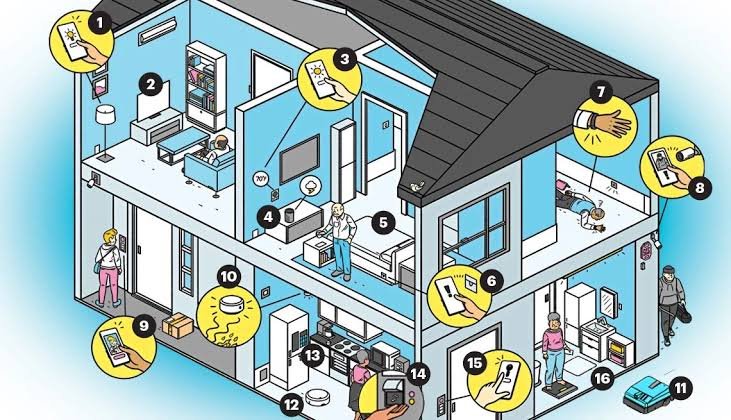
Smart home technology is another growing area. Devices such as smart lights, security cameras, smart speakers, thermostats, and automated appliances can be connected to a home network.
Many of these devices can be controlled through smartphones or voice commands. They can improve convenience and, in some cases, help reduce energy consumption.
Health and Fitness Devices
Electronic devices are also playing an increasing role in personal health. Smartwatches and fitness trackers can monitor activities such as steps, exercise, heart rate, and sleep patterns.
Hospitals and medical professionals use much more advanced electronic equipment for diagnosis, treatment, monitoring, and patient care. These technologies can provide doctors with valuable information and support better healthcare decisions.
Benefits of Electronic Devices
The popularity of electronic devices is largely connected to the many benefits they provide.
One major advantage is convenience. A smartphone can replace several separate tools, including a camera, calculator, map, alarm clock, music player, and communication device.
Another important benefit is communication. People can instantly contact friends, relatives, coworkers, and customers through calls, messages, email, and video conferencing. Distance is no longer the major barrier it once was.
Electronic devices also provide greater access to information and education. Students can attend online classes, watch educational videos, read digital books, and research almost any topic through the internet.
In the workplace, electronic devices can improve productivity. Computers and specialized software help employees manage projects, analyze information, communicate with teams, and complete complex tasks efficiently.
Entertainment is another major advantage. People can listen to music, play games, watch films, read books, and explore digital content from almost anywhere.
The Role of Electronic Devices in Education
Education has changed significantly because of modern technology. Schools, colleges, and universities increasingly use computers, tablets, projectors, interactive displays, and online learning platforms.
Students can access educational material beyond the traditional classroom. A learner interested in science, mathematics, history, languages, or technology can find courses and resources online.
Teachers can also use electronic devices to make lessons more interactive. Videos, digital presentations, simulations, and educational applications can help explain difficult concepts in ways that traditional textbooks may not.
However, technology works best when it supports learning rather than completely replacing traditional methods. Students still need critical thinking, communication skills, creativity, and direct interaction with teachers and classmates.
Electronic Devices in Business and Work
Businesses rely heavily on electronic devices for everyday operations. Computers are used to manage documents, customer information, finances, inventory, communication, and online services.
Mobile devices have also made remote work easier. Employees can communicate with colleagues, attend virtual meetings, access files, and complete tasks without always being physically present in an office.
Industries such as manufacturing, transportation, healthcare, banking, and retail depend on specialized electronic systems. As technology continues to improve, businesses are finding new ways to automate repetitive tasks and provide faster services.
Possible Disadvantages
Although electronic devices offer many advantages, they also have some disadvantages.
One common concern is excessive screen time. Spending too much time looking at screens may affect sleep, concentration, physical activity, and overall well-being. Taking regular breaks and maintaining healthy habits can help reduce these problems.
Another concern is privacy and security. Many electronic devices collect or store personal information. Users should therefore use strong passwords, install security updates, and be careful when sharing sensitive information online.
Electronic waste is another important issue. Old phones, computers, batteries, and other devices can contribute to environmental pollution when they are not disposed of properly.
There is also the risk of becoming overly dependent on technology. While electronic devices make life easier, people should still maintain essential skills and healthy relationships outside the digital world.
How to Choose the Right Electronic Device
Choosing an electronic device should depend on your actual needs rather than simply buying the newest model.
First, consider what you want the device to do. A student may need a reliable laptop for research and assignments, while a photographer may require a device with advanced camera features.
Budget is another important factor. Expensive does not always mean better for every user. It is usually more practical to compare features, durability, performance, warranty, and long-term value.
Battery life, storage capacity, processing performance, display quality, connectivity, and ease of use are also worth considering. Reading reliable reviews and comparing different models can help buyers make informed decisions.
The Future of Electronic Devices
The future of electronic devices is likely to be more connected, intelligent, and efficient. Artificial intelligence, automation, wearable technology, smart homes, and connected systems are already changing the way devices operate.
Future devices may become smaller while offering greater processing power and improved energy efficiency. More products are also likely to communicate with one another through connected networks.
Sustainability will become increasingly important as well. Manufacturers are under growing pressure to develop products that use fewer resources, last longer, consume less energy, and create less electronic waste.
The goal of future technology should not simply be to create more devices. It should be to create useful technology that improves people’s lives while minimizing negative effects on health, privacy, and the environment.
Frequently Asked Questions
1. What are electronic devices?
Electronic devices are machines or tools that use electrical energy and electronic components to perform specific functions. Examples include smartphones, laptops, televisions, tablets, cameras, and smartwatches.
2. What are the most common electronic devices?
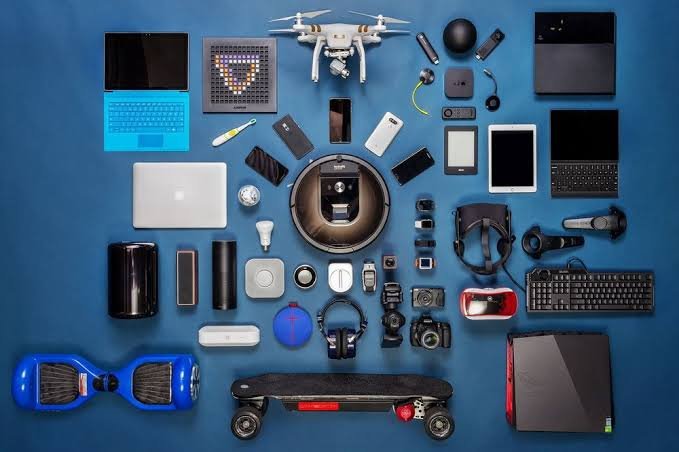
Some of the most common electronic devices include smartphones, computers, laptops, tablets, televisions, headphones, gaming consoles, smartwatches, cameras, and household appliances.
3. Why are electronic devices important?
Electronic devices make many daily activities easier and faster. They support communication, education, business, entertainment, healthcare, transportation, and home management.
4. How do electronic devices help students?
Students can use electronic devices to attend online classes, research information, read digital books, create assignments, watch educational videos, and communicate with teachers and classmates.
5. Can electronic devices affect health?
Excessive use of electronic devices may contribute to problems such as poor sleep, eye strain, reduced physical activity, and difficulty maintaining concentration. Using devices responsibly and taking regular breaks can help.
6. How can I choose the right electronic device?
Start by identifying your needs and budget. Then compare important features such as performance, battery life, storage, durability, display quality, warranty, and overall value before making a purchase.
7. What is electronic waste?
Electronic waste, often called e-waste, refers to unwanted or discarded electronic products. Examples include old phones, computers, chargers, batteries, and televisions. Proper recycling and disposal can help reduce environmental harm.
Conclusion
Electronic devices have become an important part of modern society. They help people communicate, learn, work, relax, manage their homes, and monitor their health. From simple calculators to advanced smartphones and smart systems, electronic technology continues to influence almost every area of life.
At the same time, responsible use is essential. People should be aware of screen time, privacy risks, cybersecurity, and electronic waste. Choosing reliable products and using them wisely can help users enjoy the benefits of technology without allowing it to control their lives.
As technology continues to develop, electronic devices will likely become even more integrated into everyday activities. The most valuable technology will be the technology that combines convenience and innovation with safety, sustainability, and genuine usefulness.