Data is everywhere. Every time people use a smartphone, search for something online, make an online purchase, watch a video, or interact with a business, they generate data. For companies and organizations, this information can be extremely valuable. However, raw data alone does not provide much value unless it can be understood and used effectively. This is where Data Science comes into play.
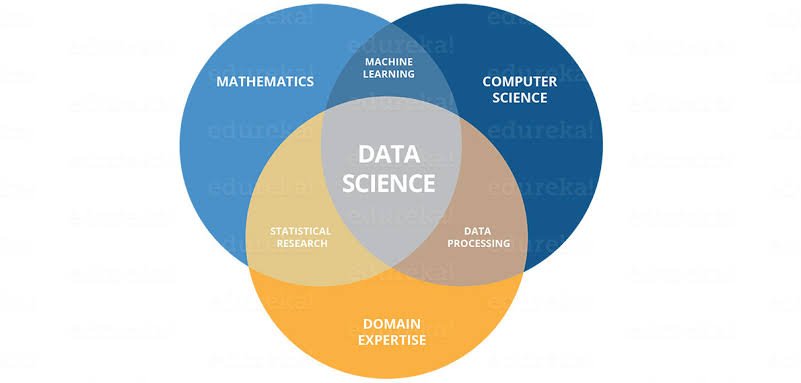
Data Science is one of the most important and rapidly growing fields in modern technology. It combines statistics, mathematics, programming, artificial intelligence, and analytical methods to discover useful information from large amounts of data. Businesses use these insights to understand customers, improve products, reduce costs, predict future trends, and make better decisions.
What Is Data Science?
Data Science is the process of collecting, organizing, analyzing, and interpreting data to solve problems and support decision-making. It involves working with both structured and unstructured information and turning complex datasets into meaningful insights.
A data scientist may work with millions of records to identify patterns that would be difficult for a person to notice manually. For example, an online store can analyze customer behavior to determine which products people are most likely to purchase. A healthcare organization can study patient information to identify potential health risks, while a bank can use data to detect unusual financial transactions.
The goal is not simply to collect data. The real purpose is to understand what the data is saying and use that knowledge to make smarter decisions.
Why Is Data Science Important?
The amount of digital information being generated around the world continues to grow. Businesses can collect data from websites, mobile applications, social media platforms, customer transactions, sensors, and many other sources.
Without proper analysis, however, a large amount of data can become difficult to manage. Data Science provides organizations with the tools and techniques needed to make sense of this information.
One of its biggest advantages is better decision-making. Instead of relying only on assumptions or personal opinions, companies can use evidence from data to guide their strategies. This can lead to improved efficiency, lower expenses, and better customer experiences.
Data Science also helps organizations predict what may happen in the future. By examining historical information, analytical models can identify trends and estimate possible outcomes. Although predictions are not always perfect, they can provide valuable guidance for planning.
How Does Data Science Work?
Data Science usually involves several stages. The exact process can vary depending on the project, but most projects follow a similar general workflow.
1. Data Collection
The first step is gathering relevant information. Data can come from databases, websites, surveys, applications, sensors, business transactions, or other sources.
The quality of the information collected is important because poor-quality data can lead to unreliable results.
2. Data Cleaning
Real-world data is rarely perfect. It may contain duplicate records, missing values, incorrect entries, or inconsistent formats.
Data scientists clean and prepare the information before analyzing it. This stage can take considerable time, but it is essential for producing accurate results.
3. Data Analysis
Once the data has been prepared, scientists examine it to identify relationships, trends, and patterns. Statistical techniques and analytical tools are often used during this stage.
The purpose is to answer specific questions and discover useful information hidden within the dataset.
4. Data Visualization
Numbers and spreadsheets can sometimes be difficult to understand. Data visualization turns information into charts, graphs, dashboards, and other visual formats.
A well-designed visualization can help decision-makers understand important trends much faster.
5. Machine Learning and Modeling
For more advanced projects, data scientists may develop machine learning models. These models can learn patterns from existing data and use them to make predictions or classifications.
For example, a model could predict whether a customer is likely to leave a subscription service or determine whether a transaction appears suspicious.
6. Communication and Decision-Making
The final step is communicating the findings to people who need them. A technically accurate analysis is not very useful if business leaders cannot understand its meaning.
Good data scientists therefore need communication skills as well as technical knowledge.
Common Applications of Data Science
Data Science is used in almost every major industry today.
Healthcare
Healthcare organizations use data to improve patient care, manage resources, and support medical research. Data analysis can help identify patterns in patient records and assist professionals in making informed decisions.
Researchers can also analyze large datasets to study diseases, treatments, and public health trends.
Finance and Banking
Banks and financial institutions deal with enormous amounts of financial information. Data Science helps them identify suspicious transactions, evaluate risk, understand customer behavior, and improve financial services.
Fraud detection is one particularly important application. Systems can examine transaction patterns and flag activities that appear unusual.
E-Commerce
Online retailers use customer data to understand shopping habits. Recommendation systems can suggest products based on previous purchases, searches, or browsing behavior.
Businesses can also analyze sales data to manage inventory and determine which products are performing well.
Marketing
Marketing teams use data to understand audiences and measure the effectiveness of campaigns. Instead of sending the same message to everyone, companies can use customer information to create more relevant marketing strategies.
Data can also help businesses determine which channels and campaigns generate the best results.
Transportation
Transportation companies can use data to improve routes, estimate travel times, monitor vehicles, and understand traffic patterns.
Ride-sharing and delivery platforms, for example, depend heavily on data to match drivers with customers and optimize operations.
Important Skills for a Data Scientist
A career in Data Science requires a combination of technical and analytical skills.
Programming is one of the most useful skills. Languages such as Python and R are widely used for data analysis, machine learning, and automation.
Statistics and mathematics are also important. Understanding concepts such as probability, averages, distributions, correlation, and statistical testing helps professionals interpret data correctly.
Machine learning knowledge can be valuable for building predictive models. Data scientists should also understand databases and data management because large datasets often need to be stored and accessed efficiently.
However, technical skills are only part of the job. Communication and problem-solving abilities are equally important. A data scientist needs to understand a business problem, determine which information is relevant, and explain the results clearly.
Data Science vs. Data Analytics
Data Science and data analytics are closely related, but they are not exactly the same.
Data analytics generally focuses on examining existing data to understand what has happened and why it happened. Analysts may create reports, dashboards, and visualizations to support business decisions.
Data Science has a broader scope. It can include data analysis but may also involve machine learning, predictive modeling, programming, experimentation, and the development of data-driven systems.
In simple terms, data analytics often focuses on understanding available information, while Data Science can also focus on building models and predicting future outcomes.
The Future of Data Science
The future of Data Science is closely connected to the growth of artificial intelligence and automation. As organizations collect more information, the need for professionals who can understand and manage that data will continue to increase.
Generative AI, advanced machine learning, automated analytics, and real-time data processing are changing the way organizations work with information. At the same time, concerns about privacy, security, bias, and responsible use of data are becoming increasingly important.
Future data professionals will therefore need more than programming knowledge. They will also need to understand ethical issues, data privacy, business requirements, and the limitations of analytical models.
Organizations that use data responsibly can gain valuable insights while maintaining trust with their customers and employees.
Conclusion
Data Science has become an essential part of the modern digital world. It allows organizations to transform large and complex datasets into useful information that can support better decisions.
From healthcare and banking to e-commerce, marketing, and transportation, its applications are already widespread. The field combines programming, statistics, mathematics, machine learning, and problem-solving to address real-world challenges.
For people interested in technology and analytical thinking, Data Science can offer an exciting career path. As the volume and importance of digital information continue to grow, the ability to understand data and turn it into meaningful insights will remain highly valuable.
Frequently Asked Questions About Data Science
1. What is Data Science in simple words?
Data Science is the process of using data, statistical methods, programming, and analytical techniques to discover useful information and solve problems. It helps organizations make better decisions based on evidence rather than assumptions.
2. Is Data Science a good career choice?
Yes. Data Science can be a strong career option for people who enjoy technology, mathematics, problem-solving, and working with information. Many industries use data-driven technologies, creating opportunities for skilled professionals.
3. What programming language is best for Data Science?
Python is one of the most popular programming languages for Data Science because it is relatively easy to learn and has many powerful libraries for data analysis, visualization, and machine learning. R is also widely used, particularly for statistics and research.
4. Do I need a mathematics background to learn Data Science?
A strong understanding of basic mathematics and statistics is helpful. You do not necessarily need to be an advanced mathematician, but concepts such as probability, statistics, and algebra become important as you move into more advanced areas.
5. What is the difference between Data Science and machine learning?
Data Science is a broader field that includes data collection, cleaning, analysis, visualization, statistics, and machine learning. Machine learning is a specialized area that focuses on creating systems that learn patterns from data and use those patterns to make predictions or decisions.
6. Where is Data Science used?
Data Science is used in many industries, including healthcare, finance, banking, retail, e-commerce, marketing, transportation, manufacturing, education, and entertainment. Organizations use it for tasks such as forecasting, recommendation systems, fraud detection, customer analysis, and process optimization.
7. Can beginners learn Data Science?
Yes. Beginners can learn Data Science by starting with basic statistics, Python programming, data analysis, and visualization. After developing these foundations, they can move toward machine learning and more advanced topics through practical projects.
8. Why is Data Science important for businesses?
Data Science helps businesses understand customers, identify trends, improve operations, reduce risks, and make informed decisions. By turning raw information into actionable insights, companies can improve their strategies and compete more effectively.