When you want to learn something new, a clear step guide can make the entire process easier. Instead of trying to understand complicated instructions all at once, you can follow each step one by one and complete the task with greater confidence. Step-by-step guides are useful for almost everything, from learning a new software program to cooking a meal, fixing a simple problem, starting a project, or developing a new skill.
A good guide does more than simply provide instructions. It explains what needs to be done, why each step matters, and what you should expect along the way. This makes the learning process less stressful and helps readers avoid common mistakes.
What Is a Step Guide?
A step guide is a simple set of instructions that explains how to complete a particular task from beginning to end. Each part of the process is usually presented in a logical order so the reader knows exactly what to do next.
For example, if someone wants to create an online account, a step guide might explain how to visit the website, choose the registration option, enter personal information, create a password, verify an email address, and complete the setup.
The main purpose of a step guide is to turn a complicated task into smaller and more manageable actions. Instead of asking the reader to figure everything out independently, the guide provides a clear path to follow.
Why Are Step Guides Helpful?
Step guides are popular because they make information easier to understand. People often become confused when instructions are too long, unclear, or presented without a proper sequence.
A well-written guide solves this problem by organizing information into individual steps.
One major advantage is that readers can move through the process at their own pace. If they already understand one step, they can quickly move forward. If something is confusing, they can spend more time on that particular part before continuing.
Step guides are also useful because they reduce mistakes. When instructions are organized properly, readers are less likely to skip an important action or complete something in the wrong order.
Another benefit is convenience. Instead of watching a long video or reading a large amount of unrelated information, users can focus on the exact steps they need.
How to Create a Good Step Guide
Creating an effective step guide requires more than simply listing instructions. The information should be accurate, organized, and easy to understand.
1. Understand Your Audience
Before writing your guide, think about who will read it. A beginner may need much more explanation than someone who already has experience.
For example, if you are writing about basic computer settings for beginners, you should explain simple terms and avoid unnecessary technical language.
Understanding your audience helps you choose the right writing style and level of detail.
2. Define the Main Goal
Every good guide should have a clear purpose. Ask yourself what the reader should be able to accomplish after completing all the steps.
If the goal is unclear, the guide can become confusing and difficult to follow.
For example, instead of creating a general guide about websites, you could focus on a specific goal such as “how to create a personal website.” This gives the entire guide a clear direction.
3. Break the Process Into Small Steps
One of the most important parts of a step guide is dividing the process into manageable actions.
Avoid combining too many tasks into a single step. If a reader has to perform five or six different actions before moving forward, they may become confused.
Instead, separate the process into short and logical sections. Each step should ideally focus on one main action.
4. Use Simple Language
A step guide should be easy to read. Avoid complicated words when a simple alternative is available.
For example, instead of saying, “Navigate to the designated configuration interface,” you could say, “Open the settings menu.”
Simple language allows readers to concentrate on the task instead of trying to understand complicated sentences.
5. Put Steps in the Correct Order
The order of instructions matters. Readers should be able to complete one action before they are asked to perform the next.
Start with the first thing the reader needs to do and continue naturally until the final result is achieved.
If a later step depends on something from an earlier step, make sure the earlier instruction appears first.
6. Add Helpful Details
Although a guide should be simple, it should still provide enough information to prevent confusion.
If a button has a specific name, mention it. If the reader needs to select a particular option, explain which option to choose.
You can also include short warnings when mistakes are common.
For example, if deleting a file cannot be undone, a brief warning can help the reader avoid an unwanted result.
7. Include Examples When Necessary
Examples can make instructions much easier to understand. If a concept is difficult to explain, show readers what a successful result looks like.
Examples are particularly useful for technical tasks, writing processes, educational activities, and creative projects.
However, examples should support the instructions rather than distract from them.
How to Follow a Step Guide Effectively
Writing a good guide is only half the process. Knowing how to use one effectively is equally important.
Start by reading the introduction or overview so you understand the final goal. Then begin with the first step rather than jumping ahead.
Follow each instruction carefully. If the guide asks you to complete an action before continuing, do not skip it unless you already know that it is unnecessary.
It is also helpful to check your progress after every few steps. If something does not look right, stop and review the previous instructions. Continuing with an error can make the problem harder to fix later.
If you are using a guide for a technical task, keep the relevant tools or information nearby. This can save time and prevent unnecessary interruptions.
Common Mistakes to Avoid
Even a useful step guide can become difficult to follow if it contains common writing mistakes.
One frequent problem is providing too much information. Readers usually want to know what they need to do, not every possible detail about the subject.
Another mistake is assuming that everyone has the same level of knowledge. A beginner-friendly guide should not assume that readers already understand technical terms.
Unclear instructions are another issue. Words such as “there,” “it,” or “that option” can be confusing when several choices are visible on the screen.
Long paragraphs can also make instructions harder to follow. Short sections, clear headings, and numbered steps usually create a better reading experience.
Finally, outdated information can make a guide frustrating. Software, websites, tools, and procedures can change over time, so important instructions should be reviewed regularly.
Step Guides in Everyday Life
Step guides are not limited to technology. They can be useful in many everyday situations.
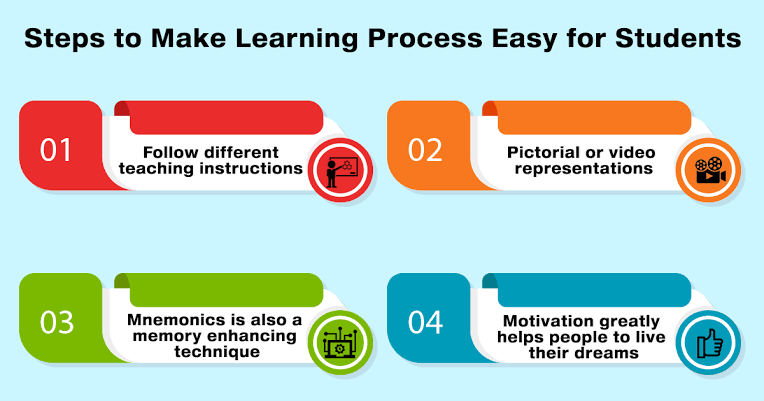
A person learning to cook can use a guide to prepare a new recipe. Someone assembling furniture can follow installation instructions. Students can use step-by-step learning materials to understand difficult subjects.
Businesses also use guides to train employees. A new employee may need instructions for using company software, completing routine tasks, or following workplace procedures.
Even personal goals can benefit from this approach. If you want to start exercising, organize your home, learn a language, or build a new habit, breaking the process into smaller steps can make the goal feel more achievable.
How to Make a Step Guide More Effective
A great guide should be practical rather than complicated. Before publishing or sharing your instructions, read through them from the perspective of a beginner.
Ask yourself whether every step is clear. Check whether any important information is missing. Make sure the instructions appear in the correct order.
If possible, test the guide yourself from start to finish. This is one of the best ways to identify confusing instructions or missing steps.
You can also ask another person to follow the guide without your assistance. If they become confused at a particular point, that section probably needs improvement.
Visual elements can also help when appropriate. Screenshots, diagrams, examples, or short videos may make complex instructions easier to understand.
Frequently Asked Questions
1. What is a step guide?
A step guide is a set of organized instructions that explains how to complete a specific task. It breaks a process into smaller actions that readers can follow in sequence.
2. Why are step guides important?
Step guides make complicated tasks easier to understand. They provide a clear path, reduce confusion, and help users complete tasks without missing important actions.
3. How long should a step guide be?
There is no fixed length for a step guide. It should be long enough to explain the process clearly but avoid unnecessary information. The complexity of the task should determine the length.
4. Should a step guide include pictures?
Pictures can be helpful, especially when readers need to identify buttons, tools, menus, or physical parts. However, visuals are not necessary for every type of guide.
5. How can I make a step guide easy to understand?
Use simple language, short steps, clear headings, and a logical sequence. Avoid unnecessary technical terms and explain anything that a beginner may not understand.
6. What is the difference between a guide and instructions?
Instructions usually focus directly on what someone needs to do, while a guide may provide additional context, explanations, examples, and helpful tips along with the instructions.
7. Can step guides be used for learning?
Yes. Step guides are very useful for education and skill development. They allow learners to understand complex subjects by dividing them into smaller and easier sections.
8. How do I know if my step guide is effective?
The best way is to test it. Follow your own instructions from beginning to end or ask someone unfamiliar with the process to follow them. If they can complete the task without confusion, your guide is likely effective.
Conclusion
A well-designed step guide can turn a difficult task into a simple and organized process. By breaking information into smaller actions, using clear language, following a logical order, and providing useful details, you can create instructions that are genuinely helpful.
Whether you are writing a guide for students, customers, employees, beginners, or general readers, always focus on clarity and usefulness. The goal is not to make the guide sound complicated. The goal is to help someone successfully complete a task without unnecessary confusion.
When readers can follow your instructions confidently and achieve the desired result, your step guide has done its job.