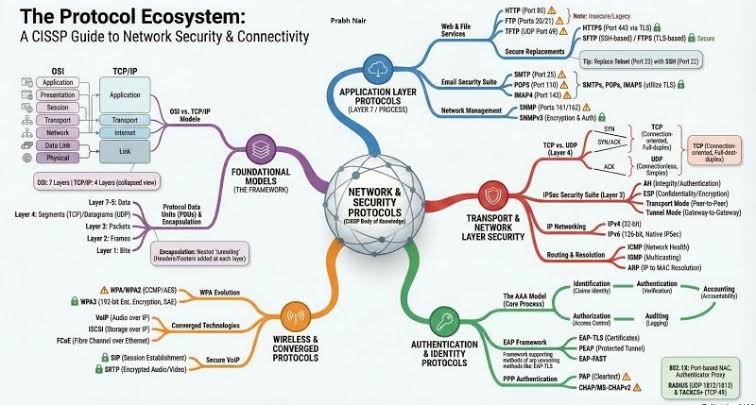
In today’s connected world, almost every business depends on a network to communicate, store information, serve customers, and manage daily operations. From small offices to large corporations, networks carry valuable data every second. This growing dependence on technology also creates opportunities for hackers, malware, and other cyber threats. This is where Network Security becomes essential.
Network security is the practice of protecting computer networks, devices, systems, and data from unauthorized access, attacks, and security breaches. It combines different technologies, policies, and security practices to keep digital environments safe. A strong network security strategy not only protects sensitive information but also helps organizations maintain business operations and build trust with their customers.
What Is Network Security?
Network security refers to the methods used to protect a network from internal and external threats. These threats can include hackers attempting to steal information, malware trying to damage systems, or unauthorized users attempting to access private resources.
A secure network controls who can access information and what they are allowed to do. It also monitors network activity to identify unusual behavior before it becomes a serious problem.
Network security is not limited to one tool or software program. It involves multiple layers of protection working together. Firewalls, antivirus solutions, access controls, encryption, monitoring systems, and employee awareness can all play an important role.
Why Is Network Security Important?
The importance of network security has increased as businesses have become more dependent on digital technology. Companies now store customer information, financial records, employee data, and business documents electronically. If this information falls into the wrong hands, the consequences can be serious.
A successful cyberattack can result in financial losses, damaged reputation, legal problems, and interruptions to business operations. For some organizations, even a short period of downtime can affect customers and revenue.
Network security helps reduce these risks by creating multiple barriers against potential attacks. It also helps organizations detect suspicious activity and respond to security incidents more quickly.
For individuals, network security is equally important. Home networks can contain personal photos, banking information, passwords, and other private data. Securing Wi-Fi connections, using strong passwords, and keeping devices updated are simple but effective ways to improve personal security.
Common Network Security Threats
There are many types of threats that can affect a network. Understanding these threats is the first step toward protecting against them.
Malware
Malware is malicious software designed to damage systems, steal information, or gain unauthorized access. Viruses, worms, ransomware, and spyware are common examples. Malware can enter a network through infected files, unsafe downloads, malicious websites, or compromised devices.
Phishing
Phishing attacks attempt to trick people into revealing sensitive information. Attackers may send fake emails or messages that look like they come from trusted companies. A user might be asked to click a link, download an attachment, or provide login credentials.
Employee awareness and security training can significantly reduce the success of phishing attacks.
Unauthorized Access
Unauthorized access occurs when someone gains entry to a network or system without permission. Weak passwords, stolen credentials, and poorly configured devices can make this easier for attackers.
Using strong passwords, multi-factor authentication, and proper access controls can help prevent unauthorized access.
Denial-of-Service Attacks
A denial-of-service attack attempts to overwhelm a network or online service with excessive traffic. The goal is usually to make the service unavailable to legitimate users. Organizations can use specialized security tools and traffic monitoring systems to reduce the impact of these attacks.
Key Components of Network Security
Effective network security usually involves several layers of protection rather than relying on a single solution.
Firewalls
A firewall acts as a barrier between trusted and untrusted network traffic. It examines incoming and outgoing connections according to predefined security rules. Firewalls can block suspicious traffic while allowing legitimate communication to continue.
They are commonly used in businesses, data centers, cloud environments, and home networks.
Encryption
Encryption protects information by converting readable data into a form that unauthorized people cannot easily understand. It is especially important when information is being transmitted across networks.
For example, encryption helps protect sensitive information when users access websites, send messages, or connect remotely to company systems.
Access Control
Access control determines who can access specific resources. Not every employee needs access to every file, application, or database.
A good security strategy gives users only the permissions they need to perform their jobs. This principle, often called least privilege, can limit the damage if an account is compromised.
Antivirus and Endpoint Protection
Computers, smartphones, servers, and other connected devices can become entry points for cyberattacks. Endpoint security tools help identify and block malicious software and suspicious activity.
Keeping these solutions updated is important because new threats appear regularly.
Network Monitoring
Continuous monitoring can help organizations identify unusual activity. Security teams may monitor login attempts, network traffic, device behavior, and other indicators.
Early detection can make it easier to investigate and contain an attack before it spreads across the network.
Network Security Best Practices
Building a secure network requires both technology and good security habits. Organizations should regularly review their security policies and update them as new risks emerge.
One of the most basic practices is keeping software and operating systems updated. Security updates often fix vulnerabilities that attackers could otherwise exploit.
Strong passwords are also essential. Passwords should be difficult to guess and should not be reused across multiple accounts. Multi-factor authentication provides another layer of protection by requiring an additional verification method.
Organizations should also create regular backups of important information. If ransomware or another destructive attack occurs, reliable backups can help restore systems without depending entirely on attackers.
Employee education should not be overlooked. Many security incidents begin with human mistakes, such as clicking a suspicious link or using an unsafe password. Regular training can help employees recognize common threats and respond appropriately.
The Role of Network Security in Remote Work
Remote work has changed the way organizations think about network protection. Employees may connect to company systems from homes, hotels, coffee shops, or other locations.
This creates additional security challenges because organizations have less control over the networks employees use. Secure remote access, multi-factor authentication, device management, and encrypted connections can help reduce these risks.
Employees should avoid accessing sensitive company resources through unsecured public networks unless appropriate security protections are in place. Company-owned devices should also be regularly updated and protected with security software.
Network Security and Cloud Computing
Cloud computing has become an important part of modern business. Companies may use cloud platforms to store files, run applications, host websites, and manage databases.
Moving resources to the cloud does not eliminate security responsibilities. Organizations still need to manage user permissions, authentication, data protection, and configuration settings.
Misconfigured cloud services can expose sensitive information. For this reason, businesses should regularly review cloud permissions and security settings and make sure employees understand their responsibilities.
Future of Network Security
Cybersecurity is constantly changing because attackers continue to develop new techniques. At the same time, security professionals are using advanced technologies to identify and respond to threats.
Artificial intelligence and machine learning are increasingly being used to analyze large amounts of network activity and identify unusual patterns. Automation can help security teams respond to certain threats faster.
The growing number of smart devices is another important consideration. Internet-connected cameras, sensors, appliances, and industrial devices can increase the size of a network’s attack surface.
As technology continues to evolve, network security will become even more important. Organizations will need to combine strong security technologies with employee education, careful policies, and continuous monitoring.
Frequently Asked Questions About Network Security
1. What is network security in simple words?
Network security is the process of protecting a computer network, connected devices, and data from unauthorized access, cyberattacks, and other security threats. It uses technologies and security practices to keep digital resources safe.
2. Why is network security important for businesses?
Network security helps businesses protect sensitive information, prevent unauthorized access, reduce the risk of cyberattacks, and maintain normal operations. A security breach can cause financial losses and damage a company’s reputation.
3. What are the main types of network security?
Common types include firewalls, encryption, access control, endpoint security, network monitoring, intrusion detection, and secure remote access. Organizations often combine several of these methods for stronger protection.
4. Can network security protect against hackers?
Network security can significantly reduce the risk of unauthorized access and cyberattacks, but no security system can guarantee complete protection. Regular updates, monitoring, strong authentication, and employee training are important for reducing security risks.
5. What is the role of a firewall in network security?
A firewall monitors network traffic and applies security rules to determine which connections should be allowed or blocked. It acts as an important protective barrier between trusted and potentially dangerous network traffic.
6. How can employees improve network security?
Employees can improve security by using strong and unique passwords, enabling multi-factor authentication, avoiding suspicious links and attachments, keeping devices updated, and reporting unusual activity to the appropriate security team.
7. Is network security important for home users?
Yes. Home networks can contain personal information, financial details, smart devices, and private files. Using a secure Wi-Fi password, updating the router, enabling available security features, and keeping connected devices updated can improve home network security.
8. What is the future of network security?
The future of network security will involve greater use of automation, artificial intelligence, advanced monitoring, stronger identity protection, and improved security for cloud and connected devices. As cyber threats evolve, organizations will need to continuously improve their security strategies.
Conclusion
Network security is a fundamental part of protecting modern digital systems. Whether it is a small home network or a large corporate environment, every connected system can face security threats.
A strong approach involves multiple layers, including firewalls, encryption, access controls, endpoint protection, monitoring, regular updates, and employee awareness. No single security solution can eliminate every risk, but combining effective tools and responsible practices can significantly reduce the chances of a successful attack.
As businesses continue to adopt cloud services, remote work, and connected devices, protecting networks will become increasingly important. Investing in network security is therefore not simply a technical decision. It is an essential part of protecting information, maintaining business continuity, and building long-term trust.