In today’s digital world, almost everything we do leaves behind some kind of information. From sending messages and shopping online to using social media and making payments, our personal data is constantly being collected, stored, and shared. This makes privacy protection more important than ever.
Privacy is not only about hiding secrets. It is about having control over your personal information and deciding who can access it, how it can be used, and when it should be deleted. Without proper protection, information such as your name, address, phone number, financial details, location, photographs, and online activities can potentially fall into the wrong hands.
Fortunately, protecting your privacy does not always require advanced technical knowledge. A few smart habits, combined with the right security tools, can significantly reduce the risks associated with sharing information online.
What Is Privacy Protection?
Privacy protection refers to the practices, technologies, and measures used to keep personal and sensitive information safe from unauthorized access, misuse, theft, or unwanted exposure.
It applies to both individuals and organizations. For an individual, privacy protection may involve using strong passwords, limiting information shared on social media, and checking the privacy settings of online accounts. For businesses, it can include encrypting customer information, controlling employee access, and following data protection regulations.
The main purpose is simple: your personal information should remain under your control.
As technology becomes more deeply connected to everyday life, privacy protection has become an essential part of responsible internet use.
Why Is Privacy Protection Important?
There are several reasons why protecting personal information should be taken seriously.
First, personal data can be valuable. Cybercriminals may use stolen information for identity theft, financial fraud, scams, or unauthorized account access. Even information that seems harmless can become useful when combined with other details.
For example, knowing someone’s name, workplace, birthday, and location may help a scammer create a convincing message or attempt to gain access to an account.
Privacy also matters because online information can be difficult to take back. A photograph, comment, or personal detail shared publicly may be copied, downloaded, or redistributed without your knowledge.
Another important reason is personal freedom. People should be able to communicate, browse the internet, and use digital services without feeling that every activity is being unnecessarily monitored or exposed.
Good privacy protection creates a safer and more comfortable digital environment.
Common Threats to Personal Privacy
Understanding the risks is the first step toward protecting yourself. There are several common threats that internet users encounter.
Data Breaches
A data breach occurs when unauthorized individuals gain access to information held by a company, website, application, or other organization. Breached information may include usernames, passwords, email addresses, payment details, or other personal data.
Even if you follow excellent security practices, a breach at a service provider can still put your information at risk. This is why it is important to avoid reusing the same password across multiple accounts.
Phishing Scams
Phishing is another major privacy and security threat. In a phishing attack, someone attempts to trick you into providing sensitive information by pretending to be a legitimate company, bank, website, or individual.
These scams often arrive through email, text messages, or social media. They may create a sense of urgency by claiming that your account will be closed or that immediate action is required.
Before clicking a link or providing information, verify that the request is genuine.
Tracking and Online Profiling
Many websites and applications collect information about users’ behavior. This may include browsing habits, searches, approximate location, device information, and interactions with online content.
Some tracking is used to improve services or personalize advertising. However, excessive data collection can raise privacy concerns, particularly when users do not clearly understand what information is being collected.
Weak Passwords
A weak or reused password can make multiple accounts vulnerable at once. If one website experiences a security incident and your password is exposed, criminals may try the same password on other services.
Using unique passwords for important accounts is therefore one of the simplest ways to improve privacy and security.
How to Improve Your Privacy Protection
Protecting your personal information does not have to be complicated. Start with a few basic habits and gradually improve your digital security.
Use Strong and Unique Passwords
Create long, difficult-to-guess passwords and avoid using the same password everywhere. A password manager can help you generate and securely store unique passwords without requiring you to memorize every one.
For especially important accounts, such as email and banking, strong passwords should be a priority.
Enable Two-Factor Authentication
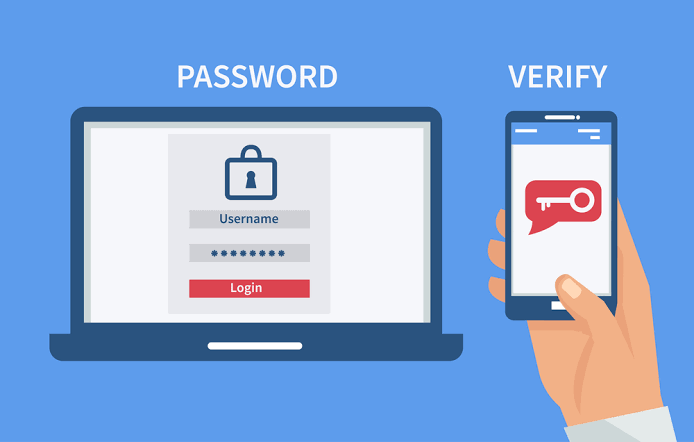
Two-factor authentication, often called 2FA, adds another layer of protection to an account. Instead of relying only on a password, the account may require an additional verification step.
This could involve an authentication app, security key, or another approved method. Even if someone discovers your password, the additional verification can make unauthorized access much harder.
Review Privacy Settings
Many online platforms provide privacy controls that allow users to decide who can see their information and how certain data is used.
Take some time to review these settings. Check who can see your posts, whether your location is being shared, which applications have access to your account, and whether unnecessary permissions can be removed.
Privacy settings are not something you should configure once and forget. Platforms frequently change their features and policies, so reviewing them occasionally is a good habit.
Be Careful About What You Share
One of the most effective forms of privacy protection is simply thinking before sharing.
Avoid publicly posting sensitive information such as your full home address, personal identification numbers, financial details, or information that could be used to answer security questions.
Even seemingly ordinary details can provide clues about your identity and daily routine.
Keep Devices and Software Updated
Software updates often include important security fixes. Delaying updates can leave devices exposed to known vulnerabilities.
Keep your operating system, browser, applications, and security software updated whenever possible. Automatic updates can make this easier by installing important patches without requiring constant attention.
Be Careful With Public Wi-Fi
Public Wi-Fi can be convenient, but not every network is trustworthy. Avoid accessing highly sensitive accounts on unknown networks unless you have appropriate security measures in place.
When using public internet access, pay close attention to website addresses and avoid entering sensitive information into suspicious pages.
Privacy Protection for Businesses
Privacy protection is equally important for businesses. Companies often handle large amounts of customer and employee information, making them attractive targets for cybercriminals.
Businesses should limit access to sensitive information, use encryption where appropriate, train employees to recognize scams, and regularly review their security practices.
They should also collect only the information they genuinely need. Keeping unnecessary data increases the potential impact of a security incident.
Transparency is another important part of responsible data handling. Customers should be able to understand what information a business collects and why it is being used.
When companies treat privacy seriously, they can build stronger relationships with their customers and reduce unnecessary risks.
The Role of Technology in Privacy Protection
Technology can create privacy risks, but it can also provide powerful ways to protect personal information.
Encryption, secure authentication systems, password managers, privacy-focused browsers, and security monitoring tools can all contribute to better protection.
However, technology alone is not enough. Human behavior remains a major part of online privacy. Clicking a suspicious link, sharing a password, or approving an unknown login request can undermine even strong technical security.
The best approach combines reliable technology with careful online habits.
Privacy Protection in the Future
As artificial intelligence, smart devices, biometric identification, and connected technologies continue to develop, privacy challenges will likely become more complex.
People may interact with more devices that collect information about their behavior, preferences, movements, and surroundings. This makes it increasingly important for individuals to understand how their information is being collected and used.
At the same time, businesses and technology providers will need to develop stronger privacy practices and give users clearer choices over their data.
Privacy protection should not be viewed as a one-time task. It is an ongoing process that changes as technology and online threats evolve.
Frequently Asked Questions
1. What is privacy protection?
Privacy protection is the process of keeping personal information safe from unauthorized access, misuse, theft, or unwanted exposure. It includes both personal habits and technologies designed to protect sensitive data.
2. Why is privacy protection important?
Privacy protection helps reduce the risk of identity theft, fraud, unauthorized account access, scams, and unwanted exposure of personal information. It also gives people greater control over how their data is collected and used.
3. How can I protect my privacy online?
You can improve your online privacy by using unique passwords, enabling two-factor authentication, reviewing privacy settings, limiting the personal information you share, keeping software updated, and being cautious when opening links or using unfamiliar websites.
4. Can social media affect my privacy?
Yes. Social media platforms can collect and display information about your activities, interests, location, and connections. Reviewing account privacy settings and limiting sensitive information can help reduce unnecessary exposure.
5. Is privacy protection only important for businesses?
No. Privacy protection is important for everyone. Individuals, families, employees, students, and businesses all handle personal information that could be misused if it is not properly protected.
Final Thoughts
Privacy protection is an essential part of modern digital life. Whether you are an individual using social media or a business handling customer information, taking reasonable steps to protect personal data can reduce risks and give you greater control over your digital identity.
Strong passwords, two-factor authentication, updated software, careful sharing, and regular privacy checks are simple but effective starting points.
Most importantly, remember that privacy is not only about protecting information after something goes wrong. It is about making thoughtful decisions before information is exposed in the first place.
By developing good digital habits today, you can create a safer online experience and reduce the chances of your personal information being misused tomorrow.