In today’s connected world, almost everything we do involves the internet. We use smartphones to communicate, computers to work, websites to shop, and online platforms to store personal information. While technology has made life easier, it has also created new risks. Cybercriminals are constantly looking for ways to steal information, access accounts, and take advantage of unsuspecting users. This is where digital security becomes essential.
Digital security refers to the practices, tools, and precautions used to protect personal information, devices, online accounts, and digital systems from unauthorized access, theft, damage, or other online threats. It is not only important for large companies or technology experts. Every person who uses the internet needs to understand the basics of digital security.
What Is Digital Security?
Digital security is the process of protecting digital information and resources from online threats. These resources can include personal files, passwords, financial information, emails, social media accounts, business data, and even smart devices.
The purpose of digital security is to make sure that your information stays private, accurate, and available when you need it. For example, protecting your email account with a strong password and two-factor authentication is a simple form of digital security.
Digital security covers several areas, including cybersecurity, data protection, privacy, identity protection, secure communication, and safe internet usage. Although the technology behind these protections can be complicated, many effective security habits are easy for ordinary users to adopt.
Why Is Digital Security Important?
The amount of personal information shared online has increased dramatically. People regularly provide their names, addresses, phone numbers, payment details, photographs, and other sensitive information to websites and applications.
If this information falls into the wrong hands, it can lead to serious problems. Hackers may use stolen credentials to access accounts, commit identity theft, steal money, or impersonate victims. Businesses can also suffer financial losses and damage to their reputation after a security breach.
Good digital security reduces these risks. It helps users protect their privacy, prevent unauthorized access, and recognize suspicious activity before it becomes a serious problem.
Digital security is particularly important for businesses because they often manage large amounts of customer and employee information. A single security incident can affect thousands or even millions of people.
Common Digital Security Threats
Understanding common online threats is one of the first steps toward improving your digital security.
Phishing
Phishing is one of the most common online scams. Attackers send messages that appear to come from legitimate organizations, friends, banks, or other trusted sources. The message may ask you to click a link, download an attachment, or provide sensitive information.
A phishing email might claim that your account has been locked or that you need to confirm your payment information. Before clicking anything, check the sender and the website address carefully.
Malware
Malware is malicious software designed to damage devices, steal information, or gain unauthorized access. Viruses, spyware, ransomware, and certain types of trojans are examples of malware.
Malware can enter a device through suspicious downloads, infected websites, email attachments, or compromised applications. Keeping software updated and avoiding untrusted downloads can significantly reduce the risk.
Weak Passwords
Using simple or repeated passwords makes it easier for attackers to gain access to multiple accounts. If the same password is used for email, banking, and social media, one compromised account could put everything else at risk.
Strong, unique passwords are an important part of digital security.
Identity Theft
Identity theft happens when someone obtains and uses another person’s personal information without permission. Criminals may use stolen information to open accounts, make purchases, or impersonate the victim.
Being careful about what information you share online can help reduce this risk.
How to Improve Your Digital Security
Improving digital security does not always require expensive software or advanced technical knowledge. A few simple habits can make a significant difference.
Use Strong and Unique Passwords
Create passwords that are difficult to guess and avoid using the same password on multiple websites. Long passwords or passphrases containing a combination of words, numbers, and symbols are generally stronger than short and predictable passwords.
A reputable password manager can also help you create and safely store unique passwords for different accounts.
Enable Two-Factor Authentication
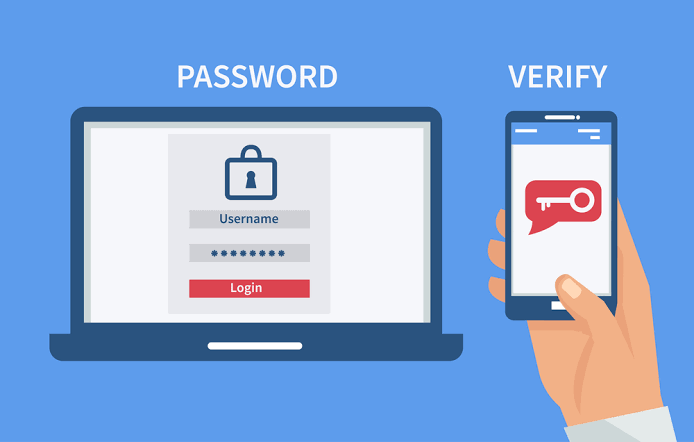
Two-factor authentication, often called 2FA, adds another layer of protection to an account. Instead of relying only on a password, it requires an additional verification method, such as a code from an authentication app or another approved security method.
Even if someone discovers your password, 2FA can make it much harder for them to access your account.
Keep Your Devices Updated
Software updates often include security fixes for known vulnerabilities. Delaying updates can leave your device exposed to threats that attackers already know how to exploit.
Turn on automatic updates whenever possible for your operating system, browser, applications, and security software.
Be Careful With Links and Attachments
Do not automatically trust every link or attachment you receive. If a message seems unusual, creates a sense of urgency, or asks for sensitive information, take a moment to verify it.
When in doubt, contact the organization through its official website or another trusted communication method instead of using the contact details provided in the suspicious message.
Secure Your Wi-Fi Network
Your home Wi-Fi network is another important part of digital security. Use a strong password for your wireless network and change the default administrator credentials on your router.
Avoid performing sensitive activities over unsecured public Wi-Fi networks. If you need to use public Wi-Fi, take additional precautions and avoid accessing particularly sensitive accounts when possible.
Back Up Important Data
Backups are often overlooked, but they are extremely valuable. If your device is lost, damaged, infected with malware, or affected by ransomware, a reliable backup can help you recover important files.
Keep important documents and photographs backed up using a trusted cloud service, external storage, or another secure backup solution.
Digital Security for Businesses
Businesses face many of the same threats as individuals, but the potential consequences can be much larger. Companies need to protect customer information, financial records, intellectual property, employee data, and internal systems.
Organizations should provide security awareness training to employees, use access controls, keep systems updated, monitor suspicious activity, and maintain reliable backups.
Employees should also understand that digital security is everyone’s responsibility. A single successful phishing attack can sometimes give criminals access to an entire organization.
Companies should create clear security policies and regularly review them as technology and threats change.
The Role of Privacy in Digital Security
Privacy and digital security are closely connected, but they are not exactly the same thing. Digital security focuses on protecting information and systems, while privacy concerns how personal information is collected, used, stored, and shared.
Users should pay attention to the permissions requested by applications and avoid providing unnecessary personal information. Reviewing privacy settings on social media platforms and online accounts can also help limit unwanted exposure.
The less unnecessary information you share publicly, the less information an attacker may have available to exploit.
Why Digital Security Is Everyone’s Responsibility
Many people believe they are not interesting enough to become targets of cybercrime. However, attackers often rely on automated tools that search for vulnerable accounts and devices. You do not have to be famous or wealthy to become a target.
Digital security is therefore not something that should only concern IT professionals. Students, employees, parents, business owners, and older internet users all benefit from basic security awareness.
The most effective approach is to develop good habits and remain cautious without becoming afraid of technology. The internet can be extremely useful when it is used responsibly.
Frequently Asked Questions About Digital Security
1. What is digital security in simple words?
Digital security means protecting your online accounts, devices, personal information, and digital files from unauthorized access, theft, scams, malware, and other online threats.
2. Why is digital security important?
Digital security is important because personal and financial information is increasingly stored and shared online. Strong security practices can help prevent data theft, identity theft, account hacking, and other cyber-related problems.
3. What is the most important digital security habit?
There is no single solution that protects against every threat, but using strong, unique passwords and enabling two-factor authentication are two of the most effective basic security practices.
4. How can I create a strong password?
Use a long and unique password or passphrase that is difficult to guess. Avoid using easily available information such as your name, birthday, or common words. Using a password manager can make it easier to maintain different passwords for different accounts.
5. Is public Wi-Fi safe?
Public Wi-Fi can carry security risks, particularly when the network is unsecured or compromised. Avoid accessing highly sensitive information on unfamiliar networks and take appropriate precautions when using public internet connections.
6. What is two-factor authentication?
Two-factor authentication is an additional security layer that requires a second form of verification after your password. It can make unauthorized account access much more difficult, even if your password has been exposed.
7. How often should I update my devices?
You should install security updates as soon as reasonably possible. Enabling automatic updates can help ensure that your operating system, applications, and other software receive important security fixes without unnecessary delays.
8. Can digital security completely prevent cyberattacks?
No security system can guarantee complete protection from every cyberattack. However, strong security practices can greatly reduce your exposure to common threats and make unauthorized access more difficult.
Final Thoughts
Digital security has become an essential part of modern life. As more personal, professional, and financial activities move online, protecting digital information becomes increasingly important.
Simple actions such as using unique passwords, enabling two-factor authentication, updating devices, avoiding suspicious links, securing Wi-Fi, and backing up important files can significantly improve your protection.
No security method can eliminate every possible risk, but good digital security practices can make it much harder for criminals to access your information. Staying informed and cautious is one of the best ways to protect yourself in an increasingly connected world.