Technology is changing faster than ever before. New devices, smarter software, artificial intelligence, and connected systems are becoming part of our daily routines. From the way we communicate to the way we work, shop, travel, and learn, technology is influencing almost every area of modern life.
The term Latest Technology does not refer to just one invention or device. It covers a wide range of new developments that are designed to make life easier, faster, safer, and more connected. Some technologies are already being used by millions of people, while others are still being developed in laboratories and research centers.
For ordinary users, keeping up with these changes can sometimes feel overwhelming. However, understanding the major technology trends can help us see where the digital world is heading and how these innovations may affect our future.
Artificial Intelligence Is Leading the Technology Revolution
Artificial intelligence, commonly known as AI, has become one of the most important areas of modern technology. AI systems can analyze large amounts of information, recognize patterns, understand language, generate content, and assist people with many different tasks.
Today, AI can be found in smartphones, search engines, customer service systems, healthcare applications, educational platforms, and business software. Many people also use AI assistants to write documents, brainstorm ideas, summarize information, translate languages, or solve everyday problems.
One of the biggest changes is that AI is becoming easier for ordinary people to access. Instead of being limited to researchers and large technology companies, AI-powered tools are now available through websites, mobile applications, and personal devices.
At the same time, AI raises important questions about privacy, employment, misinformation, and responsible use. As the technology becomes more powerful, companies and governments will need to find ways to encourage innovation while protecting users.
Smartphones Are Becoming More Intelligent
Smartphones have already become essential tools, but the latest generation of mobile technology is making them even more capable. Modern phones offer powerful processors, advanced cameras, high-quality displays, biometric security, and AI-based features.
Many smartphones can now improve photographs automatically, translate conversations, recognize objects, manage notifications, and optimize battery performance. Mobile devices are also becoming central to digital payments, online banking, navigation, entertainment, and remote work.
Another important development is the growing connection between smartphones and other devices. A phone can control smart lights, watches, headphones, televisions, security cameras, and other connected products.
This trend suggests that smartphones will continue to serve as a central hub for our digital lives rather than simply being devices for calls and messages.
The Growth of Smart Homes
Smart home technology is another major part of the latest technology landscape. Smart devices allow homeowners to control different parts of their homes through mobile apps or voice commands.
Smart bulbs, thermostats, doorbells, security cameras, locks, and appliances can communicate through connected networks. For example, a smart thermostat can adjust the temperature automatically, while a smart security camera can send an alert when it detects unusual activity.
The biggest advantage of smart home technology is convenience. People can monitor and manage their homes even when they are away.
Energy efficiency is another potential benefit. Smart systems can help reduce unnecessary electricity consumption by automatically turning devices off or adjusting settings based on usage patterns.
However, connected homes also require good cybersecurity practices. Users should choose strong passwords, install updates, and use trusted products to reduce the risk of unauthorized access.
Wearable Technology Is Expanding
Wearable technology has moved beyond simple fitness trackers. Smartwatches and other wearable devices can now monitor activity, track sleep, measure heart rate, provide notifications, and support communication.
For many people, wearables are useful because they provide information without requiring them to constantly check their phones. A smartwatch can display messages, calendar reminders, navigation instructions, and other information directly on the user’s wrist.
The next stage of wearable technology could make these devices even more personalized. Advances in sensors and AI may allow wearables to provide more useful insights based on an individual’s habits and activity.
As wearable devices become more common, data privacy will remain an important issue because these products can collect highly personal information.
Electric Vehicles Are Changing Transportation
Transportation is also being transformed by new technology. Electric vehicles, or EVs, are becoming increasingly important as manufacturers invest in battery technology, charging infrastructure, and more efficient electric motors.
Unlike traditional vehicles that rely on gasoline or diesel engines, electric vehicles use batteries to power electric motors. This can reduce direct emissions from the vehicle and may lower operating costs for some drivers.
Modern EVs are also becoming more technologically advanced. Many include digital dashboards, driver-assistance systems, connected applications, software updates, and advanced navigation features.
Battery technology remains one of the key areas of development. Researchers and manufacturers are working to improve battery capacity, charging speed, durability, and cost.
The wider adoption of electric transportation will depend not only on vehicle technology but also on charging networks, electricity infrastructure, government policies, and consumer demand.
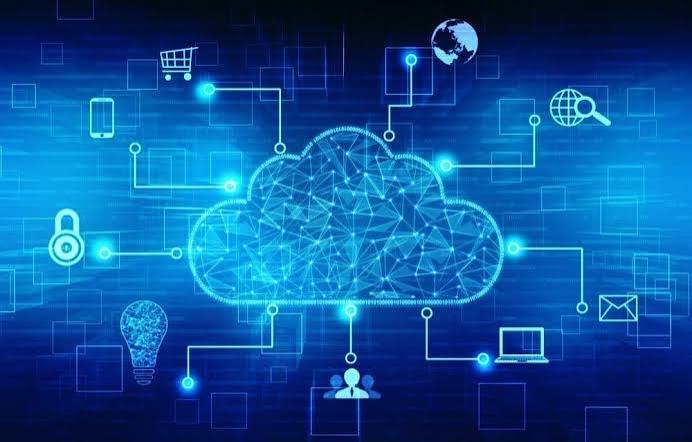
Cloud Computing Is Making Work More Flexible
Cloud technology has changed the way individuals and businesses store and use information. Instead of keeping everything on a single computer, users can access files, applications, and services through internet-connected systems.
Cloud computing allows employees to collaborate on documents, attend online meetings, access business applications, and work from different locations. It has become particularly important for organizations with remote and hybrid work environments.
Another advantage is scalability. Businesses can increase or reduce their computing resources according to their needs without necessarily building and maintaining large physical infrastructure.
As more services move to the cloud, security has become increasingly important. Organizations need strong access controls, encryption, backups, and monitoring systems to protect valuable information.
Robotics Is Moving Into More Industries
Robotics is no longer limited to factories. Robots are increasingly being developed for warehouses, hospitals, agriculture, logistics, research, and other industries.
In manufacturing, robots can perform repetitive tasks with high levels of consistency. In warehouses, automated machines can help move products and organize inventory. In agriculture, robotics may eventually assist with planting, monitoring crops, and harvesting.
Robots are also becoming more sophisticated because of advances in AI, computer vision, sensors, and machine learning.
The goal is not always to replace humans. In many situations, robots can perform dangerous, repetitive, or physically demanding tasks while humans focus on decision-making, creativity, and supervision.
Cybersecurity Is More Important Than Ever
As technology becomes more connected, cybersecurity becomes increasingly important. People now store financial information, personal photographs, work documents, and other sensitive data online.
Cybercriminals continue to develop new ways of targeting individuals and organizations. Phishing attacks, stolen passwords, malware, identity theft, and data breaches can cause significant problems.
Modern cybersecurity therefore involves more than simply installing antivirus software. Users should enable multi-factor authentication, keep software updated, avoid suspicious links, use unique passwords, and be careful about the information they share online.
Businesses have an even greater responsibility because they often manage information belonging to thousands or millions of customers.
What Does the Future of Technology Look Like?
The future of technology will likely involve greater integration between different systems. AI, robotics, cloud computing, connected devices, and advanced networks are not developing independently. They are increasingly working together.
For example, an AI system may analyze information collected by wearable sensors and store the results through cloud infrastructure. Similarly, a smart vehicle may communicate with other systems while using AI to assist the driver.
This interconnected approach could create new opportunities in healthcare, education, transportation, entertainment, manufacturing, and many other industries.
However, technological progress should not be measured only by how advanced a device is. Good technology should also be secure, accessible, reliable, affordable, and useful.
Frequently Asked Questions
1. What is meant by Latest Technology?
Latest Technology refers to newly developed or rapidly advancing tools, systems, devices, and innovations. It can include artificial intelligence, robotics, smart devices, electric vehicles, cloud computing, advanced software, and other emerging technologies.
2. Why is artificial intelligence considered an important technology?
Artificial intelligence can analyze information, recognize patterns, understand language, automate tasks, and assist people with many different activities. Its wide range of applications makes it one of the most influential areas of modern technology.
3. How is technology changing everyday life?
Technology is making communication, entertainment, shopping, transportation, education, and work more convenient. Smartphones, smart home devices, online services, AI assistants, and wearable technology are just some examples of tools people use every day.
4. Is new technology always safe?
Not necessarily. New technology can provide major benefits, but it can also introduce risks related to privacy, cybersecurity, misinformation, and misuse. Users should understand how a technology works and take reasonable security precautions.
5. What technology trends should people watch in the future?
Artificial intelligence, robotics, electric transportation, wearable devices, smart homes, cloud computing, cybersecurity, and advanced digital networks are some of the major areas likely to remain important as technology continues to develop.
Final Thoughts
The world of technology is changing at an extraordinary pace. From artificial intelligence and smart homes to electric vehicles, wearable devices, cloud computing, and robotics, new innovations are influencing the way people live and work.
The most important thing is not to follow every new gadget or trend blindly. Instead, people should understand how technology can solve real problems and improve everyday experiences.
The Latest Technology will continue to evolve, and some technologies that seem experimental today may become completely normal in the future. Staying informed, learning new digital skills, and paying attention to privacy and security can help people make better decisions in this rapidly changing technological world.
Technology itself is only a tool. Its real value depends on how responsibly and creatively we choose to use it.